
How to Choose the Right Beauty Cream for Your Skin Type

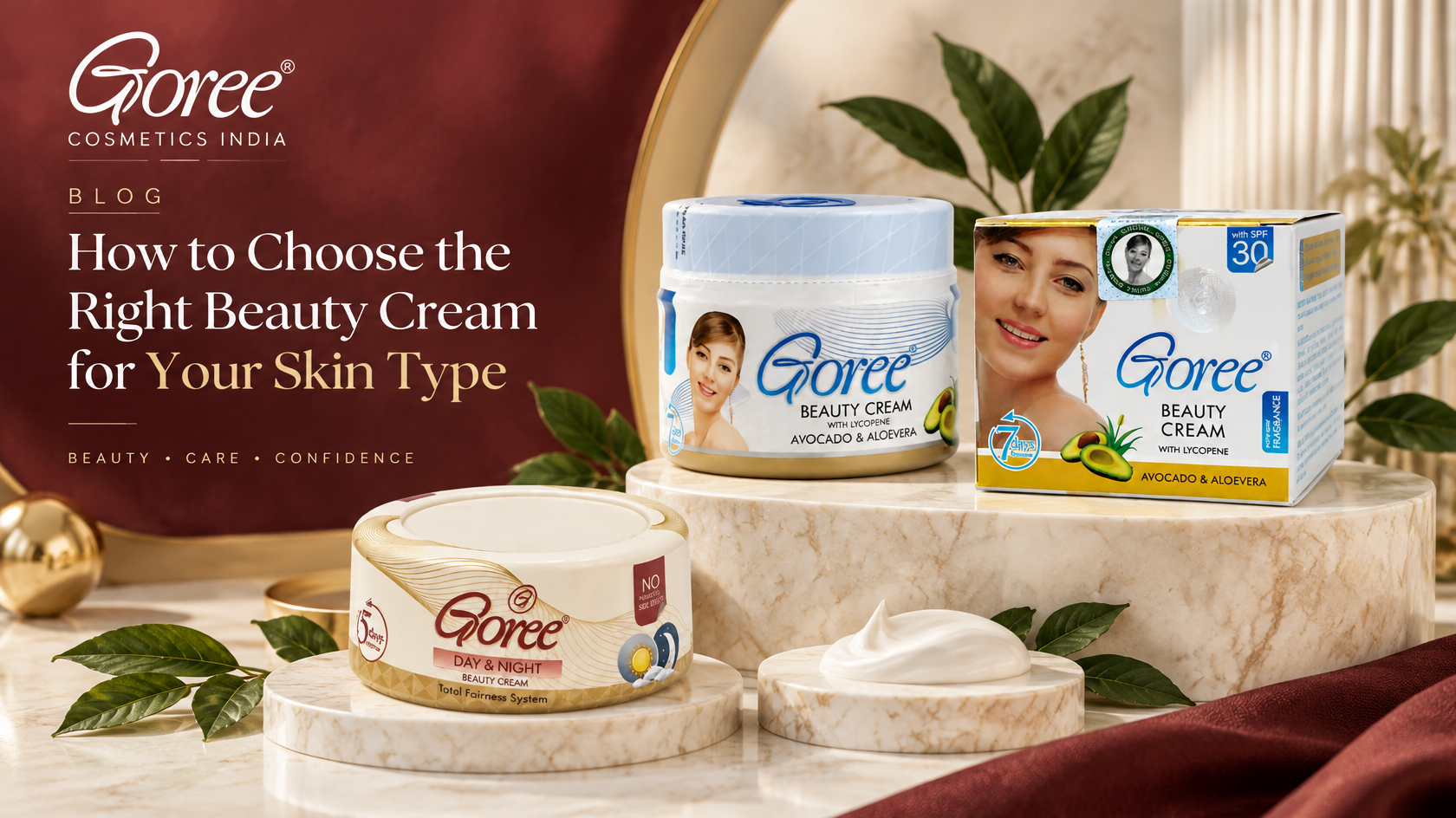
How to Choose the Right Beauty Cream for Your Skin Type
Choosing a beauty cream is not just about selecting an attractive package or a popular product. Your skin type, daily skincare habits, preferred texture and individual needs all play an important role in finding a suitable cream.
A product that feels comfortable on dry skin may feel too rich for someone with oily skin. Similarly, people with sensitive skin may need to pay closer attention to ingredients and fragrance. Understanding these differences can help you make more informed skincare choices.
In this guide: Learn about dry, oily, combination and sensitive skin, understand what to look for in a beauty cream, and discover practical tips for choosing products for your everyday skincare routine.
1. Why Does Your Skin Type Matter When Choosing a Beauty Cream?
Different skin types can respond differently to skincare formulations. Texture, moisturising properties and individual ingredients can influence how a cream feels after application.
Understanding your skin type helps you narrow down your choices. Rather than selecting a cream simply because it is popular, consider whether its formulation and directions are suitable for your skin.
Skin condition can also change with weather, age, environment and other factors. Your skin may feel drier during colder months or oilier in hot and humid conditions.
2. Understanding the Four Common Skin Types
Dry Skin
Dry skin often feels tight, rough or flaky. It may feel uncomfortable after cleansing, particularly when using products that remove too much natural oil.
What to consider: Look for a moisturising cream with a comfortable texture and ingredients intended to support skin hydration.
Oily Skin
Oily skin tends to produce more sebum, which can create a shiny appearance. Excess oil may be more noticeable around the forehead, nose and chin.
What to consider: You may prefer a lighter, non-greasy texture that feels comfortable without leaving an overly heavy finish.
Combination Skin
Combination skin has characteristics of more than one skin type. For example, the forehead, nose and chin may feel oily, while the cheeks feel normal or dry.
What to consider: Look for a balanced formulation and pay attention to how different areas of your face respond.
Sensitive Skin
Sensitive skin may react easily to certain ingredients, fragrances or environmental conditions. Some people experience temporary redness, itching or discomfort after applying particular products.
What to consider: Review the ingredient list carefully, introduce products gradually and patch test before regular use.
3. How to Choose a Beauty Cream for Dry Skin
Dry skin often benefits from a skincare routine that focuses on maintaining hydration and supporting the skin's moisture barrier.
Look for moisturising formulations
Consider creams formulated with moisturising ingredients. Depending on the formulation, ingredients such as glycerin, hyaluronic acid, ceramides and certain emollients may help support skin hydration.
Choose a comfortable texture
A richer cream may feel comfortable for some people with dry skin. However, the ideal texture depends on personal preference and how your skin responds.
Avoid overly harsh cleansing
Cleansing too frequently or using harsh cleansers may leave dry skin feeling more uncomfortable. Choose a gentle cleanser and follow with a suitable moisturiser.
4. How to Choose a Beauty Cream for Oily Skin
Oily skin still needs moisturising. Skipping moisturiser altogether is not necessarily helpful, as hydration and oil production are different aspects of skin care.
Consider lightweight textures
Gel-based or lightweight moisturising formulations may feel more comfortable for people who dislike heavy creams.
Check the product description
Look for product information describing the texture and intended skin suitability. If you are concerned about clogged pores, you may prefer products labelled non-comedogenic, while remembering that individual reactions can vary.
Keep your routine simple
A gentle cleanser, suitable moisturiser and daytime sunscreen can form the foundation of a practical routine. Avoid adding too many products at once.
5. How to Choose a Beauty Cream for Combination Skin
Combination skin can be challenging because different areas of the face may have different needs. A product that feels comfortable on the cheeks may feel too rich around the forehead or nose.
Pay attention to different facial areas
Notice which areas tend to become oily and which areas feel dry. This can help you understand whether a lighter or richer texture is more comfortable.
Consider applying different amounts
Depending on the product directions, you may find that a smaller amount is comfortable in oilier areas and a little more moisturiser is preferred on drier areas.
Look for a balanced routine
Avoid using too many products in an attempt to treat every area separately. Start with a simple routine and make adjustments based on your skin's response.
6. How to Choose a Beauty Cream for Sensitive Skin
Sensitive skin requires extra care when introducing new products. Some ingredients and fragrances may cause discomfort in people who are prone to irritation.
Read the full ingredient list
Check the packaging before purchasing. If you have previously reacted to a particular ingredient, make sure it is not included in the formulation.
Introduce one product at a time
Avoid starting several new skincare products on the same day. Introducing one product at a time makes it easier to identify the cause if irritation occurs.
Patch test before regular use
Test a small amount on a discreet area of skin according to the product's instructions. Observe for any signs of irritation before using it more widely. A patch test cannot guarantee that a product will never cause a reaction.
Important: If you experience persistent redness, swelling, itching or discomfort, stop using the product and seek advice from a qualified dermatologist.
7. Ingredients to Consider When Choosing a Beauty Cream
Reading the ingredient list is an important part of selecting skincare products. Different ingredients have different functions, and the overall formulation matters just as much as any individual ingredient.
Glycerin
Glycerin is a humectant commonly used in skincare formulations. It helps attract and retain water in the outer layers of the skin.
Hyaluronic Acid
Hyaluronic acid is a well-known skincare ingredient used in products designed to support skin hydration.
Avocado Oil
Avocado oil is a plant-derived oil used in some cosmetic formulations for its emollient properties and skin-conditioning role.
Aloe Vera
Aloe vera is commonly included in skincare products. Its role and suitability depend on the complete formulation and individual skin response.
Vitamin E
Vitamin E is used in cosmetic formulations as an antioxidant ingredient. It may also contribute to the skin-conditioning properties of a product.
Lycopene
Lycopene is a naturally occurring antioxidant compound found in certain plants, including tomatoes. It is used in some cosmetic formulations.
Remember that the presence of an ingredient does not automatically guarantee a particular result. Always review the complete product formulation and its intended cosmetic use.
8. How to Test a New Beauty Cream Before Regular Use
Before adding a new cream to your daily skincare routine, take a few precautions to understand how your skin responds.
Read the Product Label
Check the ingredients, recommended skin suitability, application directions and any warnings printed on the packaging.
Perform a Patch Test
Apply a small amount to a discreet area as directed by the product instructions. Observe your skin for a reaction.
Introduce It Gradually
If there is no irritation, introduce the product according to its recommended frequency. Avoid combining several unfamiliar products at once.
Observe Your Skin
Pay attention to comfort, dryness, excess oil or irritation. Discontinue use if an unwanted reaction develops.
9. Exploring the Goree Beauty Cream Collection
Goree Cosmetics offers different beauty cream products and sizes for customers exploring its skincare collection. Before selecting a product, review the product page and packaging carefully to understand its ingredients, directions and suitability.
Goree Beauty Cream – 30g Explore the 30g product option and review its product information. Goree Beauty Cream – 17g Discover the 17g option in the Goree Beauty Cream collection. Goree Day & Night Beauty Cream – 17g Explore the Day & Night product and check its usage directions.You can also browse the wider Goree Beauty Cream collection to explore available products.
10. Common Mistakes to Avoid When Choosing a Beauty Cream
- Choosing only by popularity: A popular cream may not be suitable for every skin type.
- Ignoring the ingredient list: Always review the product ingredients, particularly if you have known sensitivities.
- Using too much product: Follow the quantity recommended by the manufacturer.
- Skipping patch testing: Test new skincare products before regular application.
- Expecting instant results: Cosmetic skincare outcomes vary from person to person.
- Ignoring sunscreen: Moisturising cream does not automatically provide adequate sun protection.
- Changing products too frequently: Introduce new products gradually and observe your skin's response.
Frequently Asked Questions
1. How do I know my skin type?
Observe how your skin feels after gentle cleansing. Dry skin may feel tight, oily skin may develop shine, and combination skin may show both characteristics in different areas. Sensitive skin may react to certain products or environmental factors.
2. Which beauty cream is suitable for dry skin?
Consider a moisturising formulation with ingredients suited to dry skin. Review the complete ingredient list and choose a texture that feels comfortable.
3. Should oily skin use beauty cream?
Yes. Oily skin can still benefit from moisturising products. A lightweight texture may feel more comfortable for people with oily skin.
4. Can I use the same cream for dry and oily skin?
Product suitability varies by formulation and individual skin response. A cream that feels comfortable for one person may feel too rich or too light for another.
5. Is a patch test necessary before using a new cream?
Patch testing is a useful precaution, especially for people with sensitive skin or a history of product reactions. It does not guarantee that irritation will not occur.
6. Can I use beauty cream every day?
Follow the frequency and application instructions printed on the product packaging. Discontinue use if irritation occurs.
7. Does beauty cream replace sunscreen?
No. Unless a product is specifically formulated and labelled as sunscreen with an appropriate SPF and broad-spectrum protection, it should not replace a dedicated sunscreen.
8. Can skin type change over time?
Yes. Skin characteristics can change with age, climate, environment, hormones and other factors. Review your skincare choices as your skin's needs change.
Final Thoughts
Choosing the right beauty cream starts with understanding your skin. Dry, oily, combination and sensitive skin can have different preferences when it comes to ingredients and textures.
Take time to read product labels, patch test new products and choose formulations that feel comfortable. A simple routine with suitable cleansing, moisturising and daytime sun protection can be a practical foundation for everyday skincare.
Explore the Goree Cosmetics official website to discover more beauty products and skincare information.
Discover the Goree Beauty Collection
Explore beauty and skincare products from Goree Cosmetics and find options that complement your everyday routine.
Explore Beauty Creams